19 Jan 2026
When purchasing a geyser it pays to evaluate key specifications that affect daily performance, running costs and long-term reliability. Careful selection avoids overspending on oversized units or choosing models that lack essential safety features.
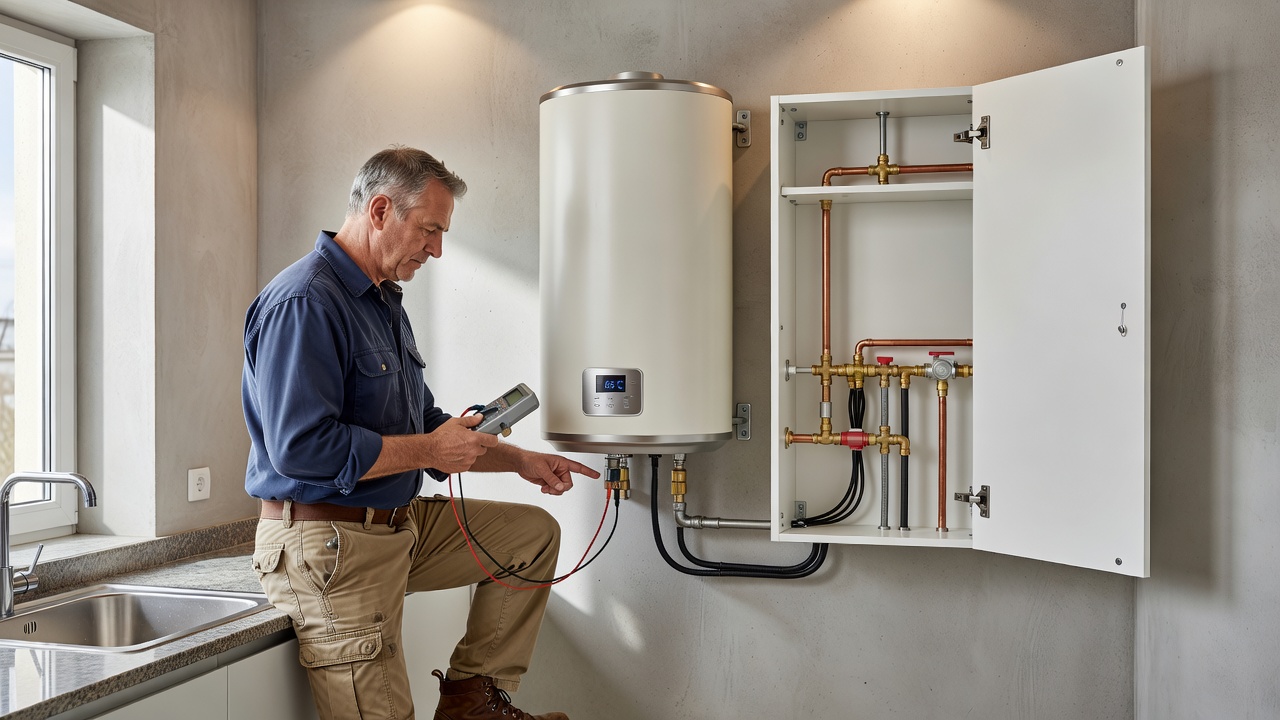
Assessing the Right Tank Capacity
Capacity should match household size and usage patterns. A single occupant or kitchen-only need is usually met by a 6- to 15-litre unit. Families of three or four typically require 25 litres for one bathroom, while larger households or homes with multiple bathrooms benefit from 50- or 100-litre models. Estimating peak morning demand helps prevent lukewarm water or excessive energy consumption from an oversized tank.
Checking Energy Efficiency Features
Electricity use forms a major part of ownership cost. Five-star rated models with thick polyurethane insulation and precise thermostats maintain temperature longer and cycle less often. Additional options such as rapid-heat elements or smart timers further reduce consumption. Over several years these details translate into measurable savings on utility bills without sacrificing hot-water availability.
Prioritizing Safety and Build Quality
Look for pressure-relief valves, thermal cut-outs and non-return valves that protect against over-pressure and dry heating. Glass-lined or stainless-steel tanks resist corrosion and extend service life. Confirm that the unit carries appropriate electrical-safety certifications and that installation will include proper earthing and venting. Manufacturer warranties covering the tank for five to seven years provide added assurance of durability.
Professional installation is essential to meet local electrical codes and maintain warranty coverage. Reading the manual for recommended maintenance intervals, such as periodic descaling in hard-water areas, keeps the appliance operating efficiently. By focusing on capacity, efficiency ratings and verified safety components, buyers obtain a geyser that supplies reliable hot water while controlling long-term expenses.