28 Aug 2026
Selecting a geyser involves considering the daily routines and requirements of the people who will use it. Households vary widely in size, water usage patterns, and energy preferences, making it important to match the appliance to specific needs rather than opting for a one-size-fits-all solution.
Assessing Household Requirements
Begin by evaluating how many people live in the home and when hot water is most needed. Larger families often require higher capacity units to avoid running out during peak morning or evening hours. Smaller households may benefit from compact models that heat water on demand without wasting energy. Climate also plays a role, as colder regions demand more robust heating performance. People who work from home might prioritize consistent supply throughout the day, while shift workers need reliable performance at unconventional times. Taking these factors into account helps avoid under- or over-sized equipment.
Popular Options for Different Households
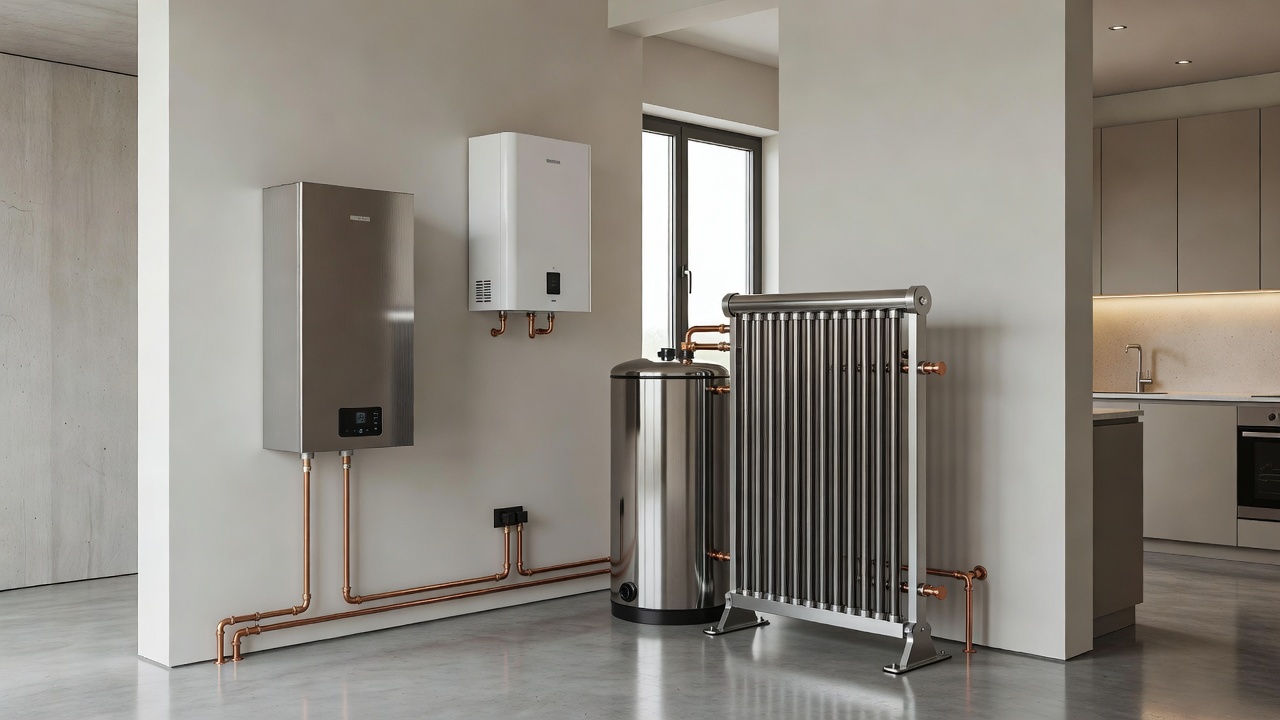
Electric geysers remain common for their ease of installation and steady output in moderate climates. Gas models appeal to users seeking faster recovery times and lower operating costs in areas with affordable fuel. Solar-assisted units attract environmentally conscious households looking to reduce long-term utility bills. Instantaneous systems suit people who prefer space-saving designs and only heat water when a tap is opened. Storage tanks work well for simultaneous use across multiple bathrooms. Each type carries distinct advantages depending on occupancy levels and local energy prices. Comparing efficiency ratings and warranty terms allows buyers to align choices with both immediate comfort and future savings.
Long Term Considerations for Users
Regular maintenance extends the lifespan of any geyser and protects water quality. Periodic flushing removes sediment buildup that can reduce efficiency over time. Checking pressure relief valves and inspecting connections prevents leaks that might otherwise go unnoticed. Users in hard-water areas often install softeners or choose models with specialized coatings to minimize scale. Professional servicing once a year helps identify issues early and maintains safety standards. Energy consumption should be monitored after installation, as newer units frequently deliver noticeable reductions compared with older equipment. Thoughtful selection and ongoing care ensure reliable hot water that supports daily comfort for everyone in the home.