10 Jan 2026
Selecting a suitable geyser ensures consistent hot water availability while keeping energy expenses in check. Homeowners must evaluate multiple aspects including household size, preferred energy type, and long-term operational costs before making a purchase. Proper research helps avoid common pitfalls associated with incompatible models.
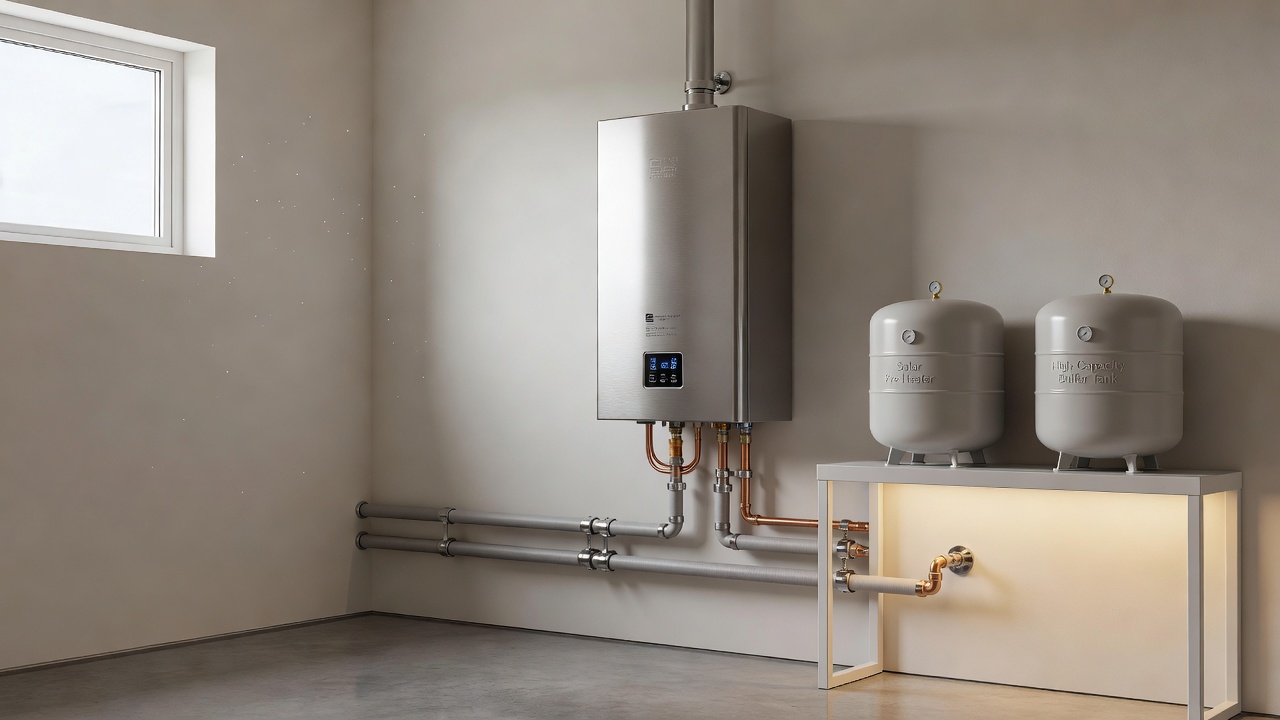
Comparing Storage and Instant Geysers
Storage geysers maintain a reservoir of preheated water, ideal for families requiring simultaneous use across several outlets. These units range from 15 to 100 liters depending on demand. Instant geysers activate only when needed, conserving energy in low-usage scenarios and occupying minimal wall space. Electric variants offer straightforward wiring, whereas gas models deliver quicker temperature rises in regions with steady fuel access. Solar geysers reduce reliance on grid power and support sustainable practices through renewable collection panels.
Capacity selection should align with daily consumption patterns to prevent unnecessary heating cycles. Undersized units lead to frequent shortages, while oversized ones waste resources during off-peak periods.
Evaluating Energy Ratings and Safety
Energy efficiency labels provide clear indicators of consumption levels, with top-rated appliances lowering monthly bills over their lifespan. Additional features such as adjustable thermostats, anti-corrosion tanks, and pressure control valves enhance reliability. Manufacturers typically back quality products with multi-year warranties covering heating elements and tanks.
Installation requires compliance with local plumbing codes to guarantee safe venting and electrical connections. Professional fitting minimizes risks from improper setup.
Maintenance Practices for Durability
Periodic cleaning removes sediment accumulation that impairs heat transfer. Annual inspections by certified technicians detect wear on seals and elements before failures occur. Pipe insulation reduces standby losses, improving overall system performance. Following these steps extends service life and maintains consistent output.
Consumers benefit from comparing specifications across brands and consulting usage calculators provided by retailers. This approach yields appliances matched precisely to individual requirements.